




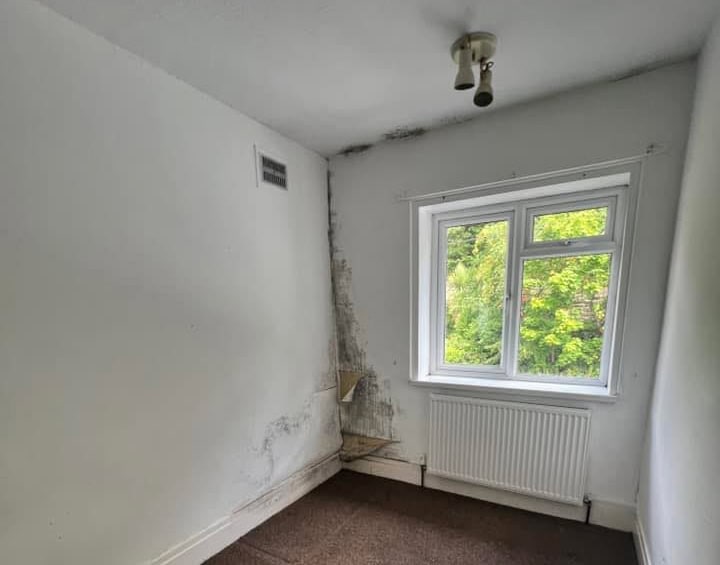


Many homeowners assume they have rising damp when they see mould or damp patches on their walls. In reality, condensation is the most common cause of moisture problems in UK homes. Across areas such as Sheffield, Barnsley, Rotherham, Huddersfield and Doncaster, damp issues often occur due to a combination of older housing stock, poor ventilation and everyday household moisture.
Quick Answer: Condensation occurs when warm moist air meets cold surfaces such as walls or windows, causing water droplets to form. Rising damp occurs when groundwater travels upward through brickwork via capillary action. The two problems look similar but require completely different treatments, which is why a professional damp survey is essential to diagnose the cause correctly.
What We Cover
- What condensation is
- What rising damp is
- How to tell the difference
- Why these problems occur in homes
- Treatment options
What Is Condensation?
Condensation is caused by excess moisture in the air. Everyday activities inside the home release water vapour which can accumulate if ventilation is limited.
Common sources of moisture include:
- Cooking
- Showering and bathing
- Drying clothes indoors
- Breathing and normal occupancy
When this warm moist air meets colder surfaces such as external walls or windows, water droplets form. Over time this moisture can lead to black mould growth and damage to decorative finishes.
Homes across Barnsley, Sheffield and Rotherham frequently experience condensation during the winter months when windows remain closed and ventilation is reduced.
In these situations professional condensation control solutions can help reduce humidity levels and improve airflow throughout the property.
What Is Rising Damp?
Rising damp occurs when groundwater travels upward through masonry walls. This happens through a natural process called capillary action, where moisture moves through small pores in bricks and mortar.
Most modern homes contain a damp proof course designed to prevent this movement of moisture. However older properties may have damaged, bridged or missing damp proof courses which can allow moisture to rise through walls.
Rising damp usually affects the lower portion of internal walls and may cause:
- Tide marks on plaster
- Salt deposits
- Damage to skirting boards
- Peeling paint or wallpaper
Where rising damp is confirmed, specialist damp proofing treatments may be required to resolve the issue.
How to Tell the Difference Between Condensation and Rising Damp
Although the symptoms can sometimes appear similar, there are several key differences that help identify the cause.
Location of the problem
Condensation tends to appear on colder surfaces such as windows, ceilings and upper corners of rooms. Rising damp is normally restricted to the lower section of walls.
Presence of mould
Black mould growth is usually associated with condensation. Rising damp rarely produces mould but instead leaves salt deposits and tide marks.
Seasonal patterns
Condensation problems often worsen during colder months when heating systems are used and ventilation is reduced. Rising damp is less dependent on seasonal changes.
Appearance of salts
Rising damp often leaves white powdery salts on the surface of plaster as moisture evaporates.
If the cause is unclear, arranging a professional damp survey is the best way to identify the issue accurately.
Why Damp Problems Occur in Yorkshire Homes
Properties across Huddersfield, Doncaster and surrounding areas often experience damp problems due to several common factors.
Many homes were built before modern building standards were introduced, meaning ventilation and damp proofing systems may not perform as effectively as in newer properties.
Common contributing factors include:
- Poor ventilation
- Blocked air bricks
- High indoor humidity
- External building defects
- Damaged damp proof courses
Understanding the cause is essential because applying the wrong treatment can allow damp problems to persist.
Treatment Options
Depending on the diagnosis, treatment may involve several different approaches.
For condensation problems this may include improved ventilation, lifestyle adjustments and specialist condensation surveys to identify problem areas.
Where rising damp is present, professional damp proofing solutions may be required to prevent moisture from travelling upward through the walls.
If damp has affected structural timbers, specialist wet rot or dry rot treatment may also be necessary.
Need Help Identifying a Damp Problem?
If you live in Sheffield, Barnsley, Rotherham, Huddersfield or Doncaster and are unsure whether condensation or rising damp is affecting your home, the team at All Dry Damp Proofing can help.
Professional surveys can accurately diagnose damp problems and recommend the most effective solution for your property.