




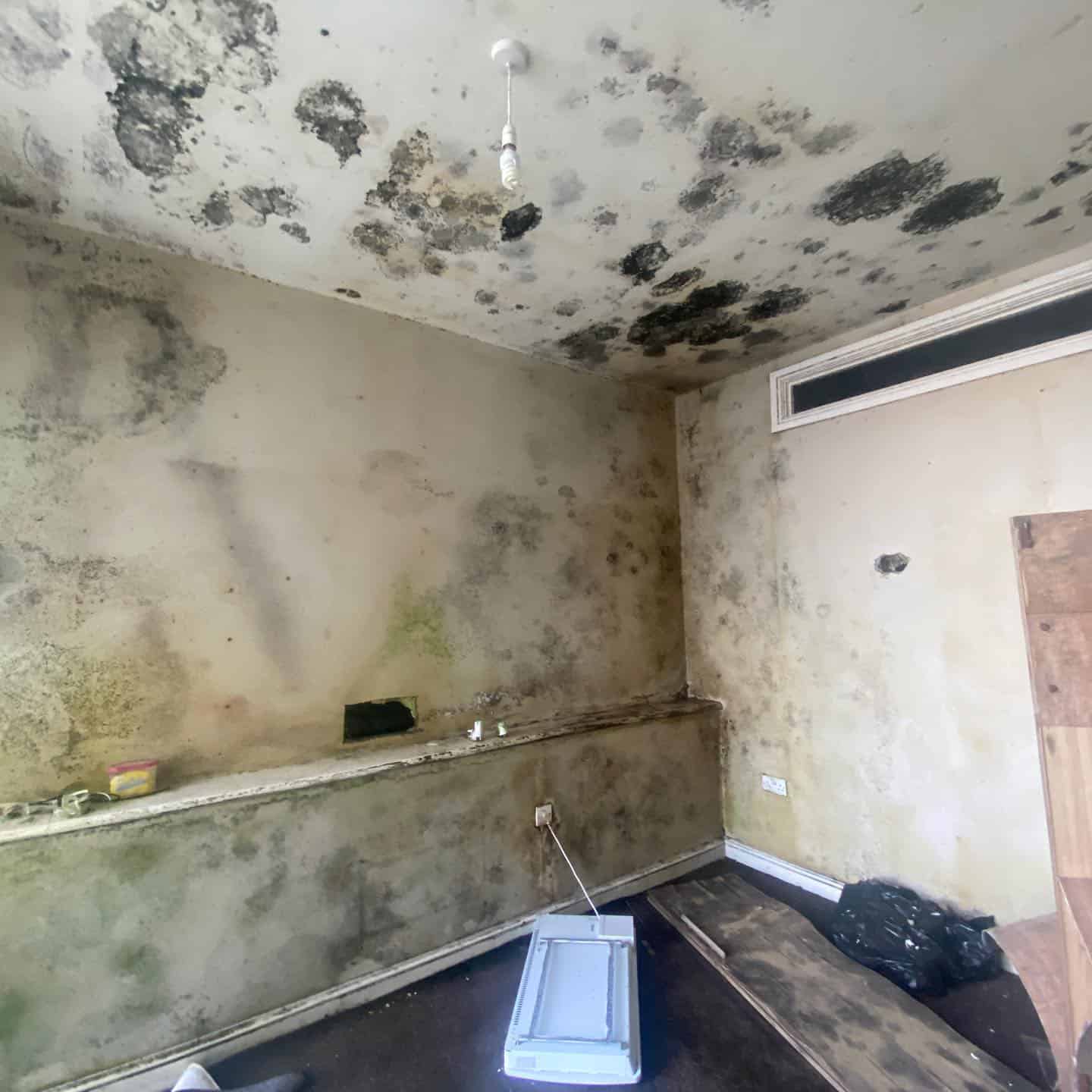


Damp problems are extremely common in UK homes, particularly in older properties across Yorkshire.
While small signs of damp may initially seem minor, moisture problems rarely improve on their own. In many cases, untreated damp gradually becomes worse over time and can begin affecting both the property and indoor living conditions.
From mould growth and damaged plaster to timber decay and structural concerns, ignoring damp problems can eventually lead to far more extensive repairs.
In this guide, we explain what can happen if damp is left untreated and why early diagnosis is so important.
Quick Answer
Untreated damp can lead to structural damage, mould growth, timber decay, damaged plaster and worsening indoor air quality. Identifying and resolving damp problems early can help prevent more extensive repairs later.
Damp Problems Rarely Stay The Same
One of the biggest misconceptions homeowners have is that damp will simply dry out or stop naturally over time.
In reality, moisture problems often continue worsening if the source remains unresolved.
This may involve:
- Water penetration
- Condensation
- Leaks
- Rising damp
- Poor ventilation
As moisture continues affecting walls, timber and finishes, the damage can gradually spread further throughout the property.
Mould Growth Can Become Worse
One of the most common consequences of untreated damp is recurring mould growth.
Moist environments create ideal conditions for mould spores to grow rapidly, particularly in colder or poorly ventilated areas.
This often appears around:
- External walls
- Ceilings
- Window reveals
- Behind furniture
- Bathrooms and bedrooms
You can read more in our guide on why black mould keeps coming back.
Damp Can Damage Plaster and Decoration
Over time, excess moisture can begin damaging internal finishes throughout the property.
This may include:
- Peeling paint
- Blown plaster
- Wallpaper damage
- Staining and discolouration
- Salt contamination
In many cases, simply redecorating will not solve the issue unless the source of damp is properly addressed first.
Timber Decay and Rot Can Develop
Persistent damp conditions can eventually begin affecting timber within the property.
This can lead to:
- Wet rot
- Dry rot
- Timber weakening
- Structural timber damage
Timber problems can become particularly serious if floor joists, roof timbers or structural woodwork are affected.
You can learn more about our wet and dry rot treatments.
Indoor Air Quality May Become Poorer
Damp and mould problems can negatively affect indoor air quality, particularly in poorly ventilated homes.
This may contribute to:
- Musty odours
- Increased humidity
- Mould spores circulating indoors
- Uncomfortable living conditions
Homes with ongoing damp issues often feel colder and less comfortable overall.
Some Damp Problems Can Affect Structural Areas
While not all damp causes structural damage immediately, prolonged moisture exposure can eventually begin affecting parts of the building structure.
This may involve:
- Deteriorating masonry
- Timber decay
- Damage to floor structures
- Corrosion of metal components
Identifying moisture problems early can help prevent repairs becoming significantly more extensive later.
Older Yorkshire Homes Are Often More Vulnerable
Many older Yorkshire properties are naturally more susceptible to damp due to:
- Solid wall construction
- Older damp proof courses
- Ageing brickwork and mortar
- Ventilation limitations
Traditional properties often require particularly careful diagnosis because different types of damp can sometimes appear visually similar.
Can Damp Affect Property Value?
Yes. Visible damp and mould issues can affect buyer confidence and may raise concerns during surveys when selling a property.
Untreated damp may also lead to:
- Mortgage concerns
- Reduced buyer interest
- Additional survey recommendations
- Negotiations on price
This is one reason why many homeowners choose to investigate damp issues professionally before they worsen.
Why Proper Diagnosis Matters
Different types of damp require different treatment approaches.
Condensation, rising damp and penetrating damp can sometimes appear similar on the surface while having very different underlying causes.
Accurate diagnosis is essential to ensure the correct solution is recommended.
At All Dry Damp Proofing, we provide professional damp surveys designed to identify moisture problems properly and recommend the most suitable treatment approach.
Professional Damp Surveys Across Yorkshire
Our experienced team works with homeowners, landlords and property buyers across Yorkshire to identify and resolve damp-related problems.
We provide professional surveys and tailored damp proofing solutions for properties throughout Sheffield, Leeds, York and surrounding areas.
You can learn more about our professional damp surveys.
Final Thoughts
Damp problems rarely improve without intervention and often become more serious over time if ignored.
From mould growth and damaged plaster to timber decay and structural concerns, untreated damp can affect both the condition of the property and everyday living comfort.
If you have noticed signs of damp within your home, contact All Dry Damp Proofing to arrange professional advice and assessment.