




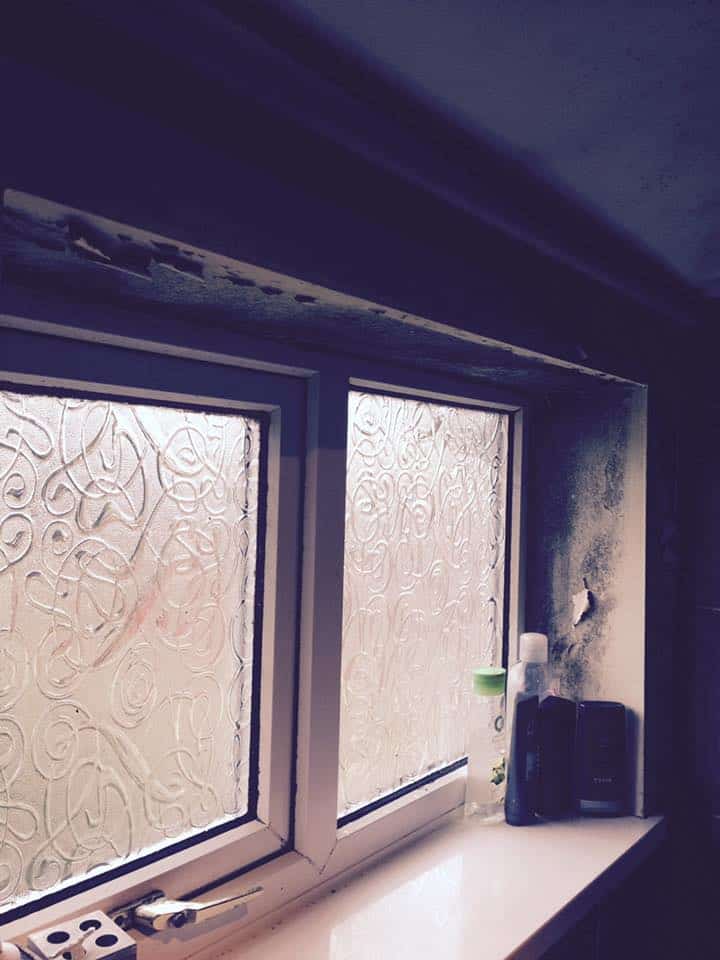


Many homeowners become frustrated after repeatedly cleaning black mould only for it to return weeks or months later.
While mould cleaning products may temporarily remove surface staining, they often fail to address the underlying moisture problem causing the mould growth in the first place.
In many cases, black mould is a symptom of wider issues involving condensation, ventilation or damp within the property.
In this guide, we explain why black mould keeps returning, what causes it and why identifying the source of moisture is essential for long-term prevention.
Quick Answer
Black mould often keeps returning because the underlying moisture problem has not been resolved. Condensation, poor ventilation, damp and excess humidity are some of the most common causes.
What Causes Black Mould?
Black mould develops when moisture and condensation remain present on surfaces for prolonged periods.
Mould spores naturally exist in the air, but they begin growing rapidly when conditions become damp and humid.
Common causes include:
- Condensation
- Poor ventilation
- Cold surfaces
- High indoor humidity
- Damp problems
- Water ingress
Black mould is particularly common during colder months when homes are heated while windows remain closed for longer periods.
Why Cleaning Black Mould Often Does Not Solve The Problem
Many homeowners understandably focus on removing the visible mould itself.
However, if the moisture source remains, mould will often return regardless of how thoroughly the surface has been cleaned.
This is because mould growth is usually the result of an environmental issue within the property rather than the mould itself being the primary problem.
Without addressing the underlying cause, the conditions allowing mould to grow still remain present.
Condensation Is One of The Biggest Causes of Black Mould
In many UK homes, condensation is the primary reason black mould develops repeatedly.
Condensation occurs when warm moist air comes into contact with colder surfaces such as:
- External walls
- Windows
- Ceilings
- Corners of rooms
- Areas behind furniture
Over time, this moisture allows mould growth to develop.
You can learn more about our condensation control services.
Poor Ventilation Allows Moisture To Build Up
Modern homes often retain more heat than older properties, but this can also reduce natural airflow and ventilation.
Everyday activities release large amounts of moisture into the air, including:
- Cooking
- Showering
- Drying clothes indoors
- Breathing
If this moisture cannot escape properly, humidity levels increase and condensation becomes more likely.
Poor ventilation is one of the most common reasons black mould repeatedly returns.
Cold Walls and Thermal Bridging Can Contribute
Some areas of the home are naturally colder than others, particularly in older Yorkshire properties.
Cold surfaces are more vulnerable to condensation forming, especially during winter.
This often occurs around:
- Window reveals
- External corners
- Solid walls
- Poorly insulated areas
Thermal bridging can create ideal conditions for recurring mould growth.
Can Damp Problems Cause Black Mould?
Yes. While condensation is extremely common, damp problems can also contribute to mould growth.
This may involve:
- Penetrating damp
- Rising damp
- Leaks
- Water ingress
If moisture is entering the property through walls, roofs or plumbing issues, mould can continue returning until the damp source is properly resolved.
Professional diagnosis is often important because condensation and damp can sometimes appear similar visually.
You can learn more about our damp proofing services across Yorkshire.
Why Black Mould Commonly Appears Behind Furniture
Mould frequently develops behind wardrobes, beds and large furniture positioned against external walls.
This happens because airflow becomes restricted, allowing cooler surfaces and trapped moisture to develop unnoticed.
The lack of air circulation creates ideal conditions for mould growth.
Is Black Mould Dangerous?
Black mould can affect indoor air quality and may contribute to health concerns for some individuals, particularly those with respiratory conditions or allergies.
Common symptoms sometimes associated with mould exposure include:
- Coughing
- Wheezing
- Eye irritation
- Breathing discomfort
- Allergy symptoms
This is one reason why recurring mould problems should not simply be ignored or repeatedly cleaned without investigation.
How To Stop Black Mould Coming Back
Long-term mould prevention usually involves addressing the underlying moisture issue rather than simply removing surface mould repeatedly.
This may include:
- Improving ventilation
- Reducing condensation
- Repairing damp issues
- Improving insulation
- Managing indoor humidity
In some cases, professional damp surveys may be required to identify hidden moisture problems accurately.
Professional Damp & Condensation Surveys Across Yorkshire
At All Dry Damp Proofing, we help homeowners across Yorkshire identify the real causes of mould, condensation and damp problems.
Our experienced team provides professional surveys and tailored solutions designed to address moisture problems properly rather than simply treating surface symptoms.
Final Thoughts
Black mould often keeps returning because the underlying moisture problem has not been properly identified or resolved.
While cleaning products may temporarily improve appearance, long-term prevention usually requires addressing condensation, ventilation or damp-related issues within the property.
If you are struggling with recurring mould problems, contact All Dry Damp Proofing to arrange professional advice and assessment.