






Buying a property is one of the biggest investments most people make, so it is important to identify any potential problems before completing the purchase. Damp issues are among the most common defects discovered in UK homes, particularly in older properties found throughout areas such as Sheffield, Barnsley, Rotherham, Huddersfield and Doncaster.
Quick Answer: A damp survey before buying a house helps identify moisture problems such as rising damp, condensation, penetrating damp and timber decay. Identifying these issues early can help buyers avoid unexpected repair costs and make informed decisions during the purchase process.
What We Cover
- Why damp surveys are important
- Common damp problems found during surveys
- What happens during a damp survey
- Potential repair costs
- Benefits of arranging a survey before purchase
Why Damp Surveys Are Important When Buying a Property
Standard property surveys often identify visible issues but may not investigate moisture problems in detail. Damp can sometimes remain hidden until damage becomes more severe.
A specialist damp survey focuses specifically on identifying moisture sources and assessing the condition of walls, floors and structural timbers.
This information can help buyers understand whether repairs may be required after purchase.
Common Damp Problems Found During Surveys
During property purchases across Yorkshire, surveyors often encounter several common types of damp.
Condensation
Condensation is the most common cause of damp in modern homes. Poor ventilation can cause moisture to accumulate, leading to mould growth and surface damage.
Professional condensation control solutions may be required to improve ventilation and reduce humidity.
Penetrating damp
Penetrating damp occurs when water enters through external building defects such as damaged gutters or cracked render.
Rising damp
In older properties, damp proof courses may be missing or damaged. This can allow groundwater to travel up through masonry walls.
Where necessary, specialist damp proofing treatments may be recommended.
Timber decay
Excess moisture can also affect structural timbers, leading to fungal decay such as wet rot or dry rot.
Where timber damage is present, rot treatment may be required.
What Happens During a Damp Survey?
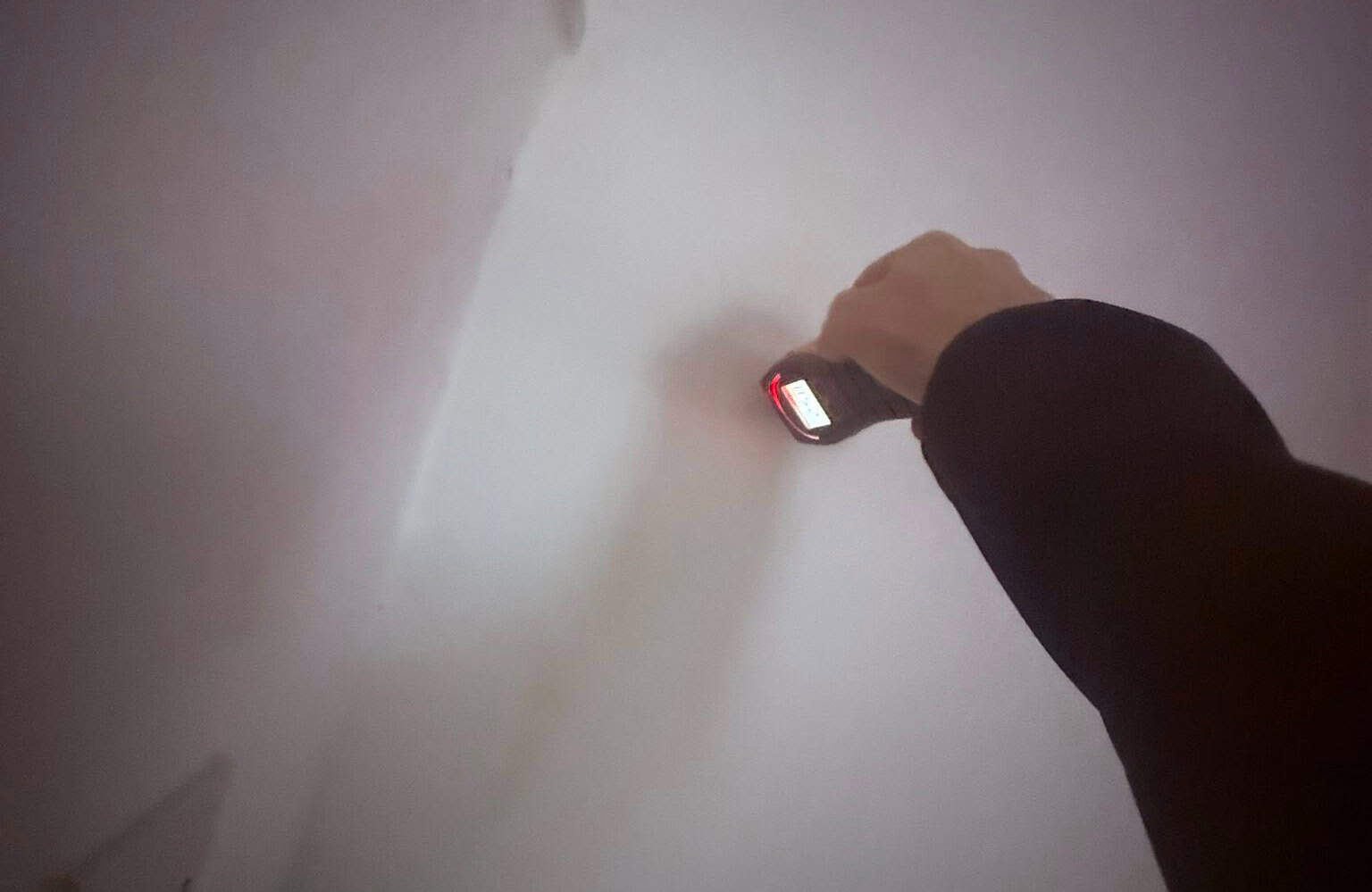
A professional damp survey involves a detailed inspection of the property to identify potential moisture issues.
The survey typically includes:
- Inspection of internal walls and plaster
- External inspection of the building structure
- Moisture readings in affected areas
- Assessment of ventilation and airflow
- Inspection of roof coverings and drainage
The surveyor will then provide a report explaining the cause of the problem and recommended solutions.
Understanding Potential Repair Costs
Damp problems can vary significantly in severity. Some issues may only require improved ventilation, while others may involve more extensive repair work.
Understanding the extent of any damp problems allows buyers to negotiate property prices or plan repairs after completion.
Benefits of Arranging a Damp Survey Before Purchase
There are several advantages to arranging a damp survey before buying a house.
- Identify hidden moisture problems
- Avoid unexpected repair costs
- Make informed purchasing decisions
- Ensure structural timbers are in good condition
- Gain expert advice on potential treatments
Need a Damp Survey?
If you are purchasing a property in Sheffield, Barnsley, Rotherham, Huddersfield or Doncaster, arranging a professional damp survey can provide valuable peace of mind.
The team at All Dry Damp Proofing provides specialist surveys and damp treatment services throughout the region.