




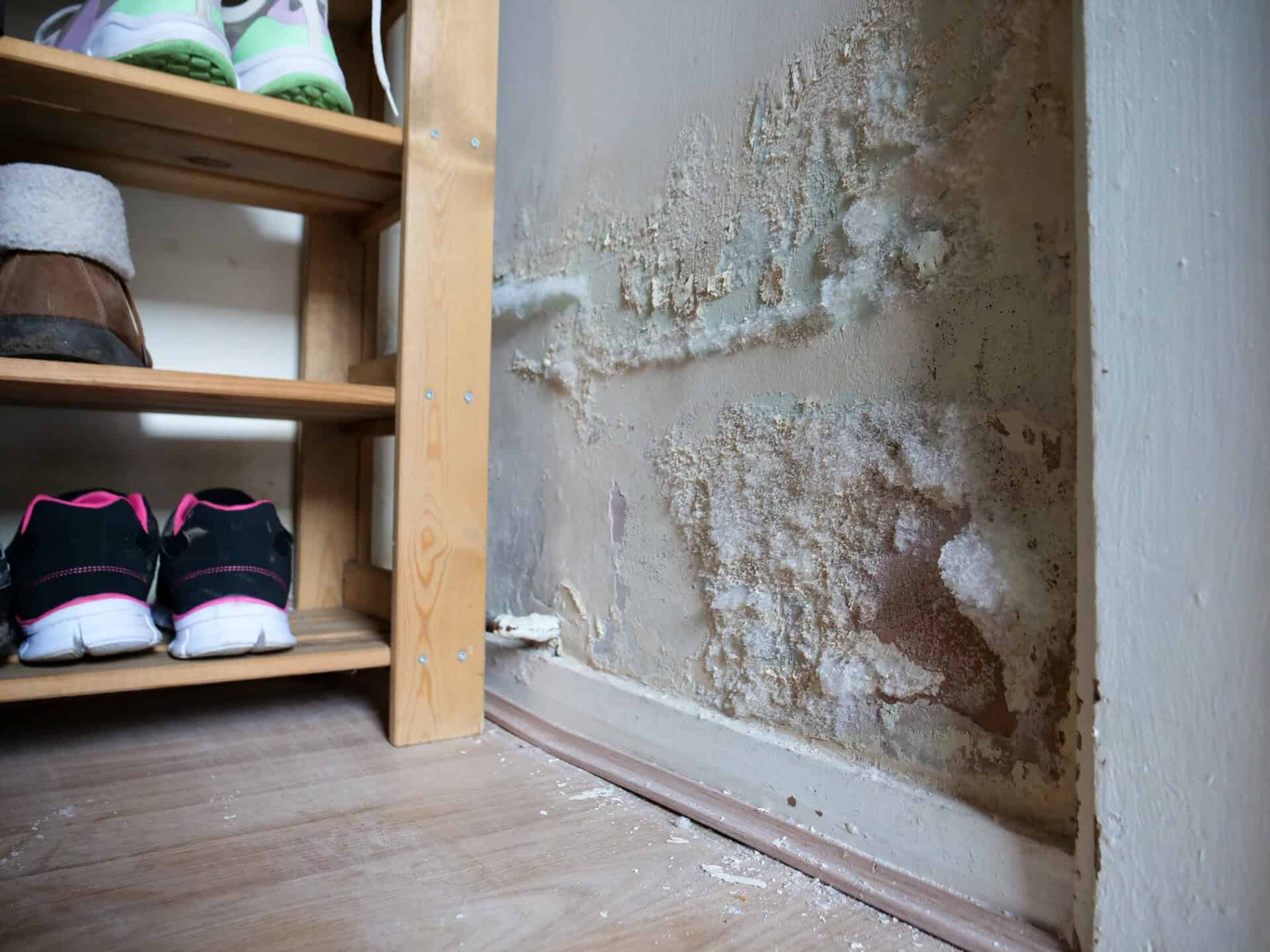


If you have noticed damp patches, mould, peeling paint or a musty smell in your home, you may be wondering whether it is something you can fix yourself.
In some cases, small moisture problems can be improved with basic maintenance, better ventilation or simple changes around the home. However, not all damp problems are suitable for DIY treatment.
The most important thing is understanding what is causing the damp before spending money on paint, sprays, dehumidifiers or repairs that may not solve the real problem.
Quick Answer
You may be able to improve minor condensation problems yourself by increasing ventilation, reducing moisture and keeping the property properly heated. However, if the damp is caused by rising damp, penetrating damp, a leak, timber decay or a failed damp proofing system, you should arrange a professional inspection.
DIY products may hide damp for a short time, but they will not solve the problem if moisture is still entering the property.
What Type Of Damp Do You Have?
Before trying to fix damp yourself, you need to understand what type of damp you are dealing with.
Damp can be caused by condensation, rainwater getting through the building, plumbing leaks, high external ground levels, defective gutters, poor ventilation or moisture rising through the structure.
Different causes need different solutions. This is why guessing can be risky. A treatment that works for condensation will not solve penetrating damp, and painting over a damp patch will not stop water entering through a wall.
If you are unsure what is causing the issue, a professional damp survey can help identify the source of the moisture before any treatment is recommended.
When Can You Improve Damp Yourself?
Some damp-related issues can be improved with simple changes, especially if the problem is linked to condensation.
For example, you may be able to improve moisture levels by opening windows regularly, using extractor fans, avoiding drying clothes on radiators and keeping furniture slightly away from cold external walls.
It can also help to keep the property heated consistently during colder months, wipe away excess moisture from windows and make sure air bricks or vents are not blocked.
These steps may help if the issue is caused by everyday moisture inside the home, but they will not fix damp caused by structural defects or water entering the property from outside.
What DIY Damp Treatments Should You Be Careful With?
There are lots of products that claim to deal with damp, including damp proof paint, mould sprays, sealers and DIY injection kits.
Some of these products may improve the appearance of a wall for a short time, but they do not always deal with the cause of the damp.
For example, if a gutter is overflowing and soaking an external wall, painting the inside wall will not stop the water getting in. If damp is caused by a bridged damp proof course, a surface coating will not deal with the source of the moisture.
DIY damp proofing can also make things worse if it traps moisture in the wrong place or hides the symptoms before the source has been properly diagnosed.
Can You Treat Rising Damp Yourself?
Rising damp should not be guessed at or treated without proper investigation.
Damp near the bottom of a wall is sometimes assumed to be rising damp, but there can be other causes, including condensation, penetrating damp, plumbing leaks, salt contamination or high external ground levels.
If rising damp is suspected, the property should be inspected properly so the correct treatment can be recommended.
All Dry Damp Proofing provides professional damp proofing solutions across Yorkshire, including diagnosis, treatment and specialist advice from qualified surveyors.
Can You Treat Mould Yourself?
Small areas of surface mould caused by condensation can sometimes be cleaned using suitable cleaning products and protective equipment.
However, cleaning mould does not stop it coming back if the conditions that caused it are still there. If the room is cold, poorly ventilated or producing too much moisture, mould may return after cleaning.
If mould keeps coming back, spreads across larger areas or appears alongside damp patches, it is worth getting professional advice. The issue may be linked to condensation, poor airflow, cold bridging or another hidden moisture problem.
For ongoing condensation and mould issues, All Dry Damp Proofing can help with condensation control and practical solutions for your property.
Check The Outside Of Your Property
Before spending money on internal repairs, it is worth checking the outside of the property.
Blocked gutters, cracked render, missing pointing, leaking downpipes, damaged roof details and high ground levels can all allow water to affect the building.
If rainwater is getting into the structure, internal decoration will usually fail again until the external issue is resolved.
You may be able to spot obvious problems yourself, but if the source is not clear, a damp specialist can investigate the property properly and explain what needs to be done.
When Should You Call A Damp Specialist?
You should arrange a professional inspection if damp patches are spreading, the problem keeps coming back, plaster is crumbling, there is a strong musty smell or you can see signs of timber decay.
You should also get advice if you are buying a property, selling a home or have been told there is damp by a surveyor.
A damp specialist can assess the building, identify the cause of the moisture and recommend the right treatment. This helps avoid wasted money on products or repairs that only hide the symptoms.
Final Thoughts
Some minor condensation problems can be improved with better ventilation, heating and moisture control. However, not all damp is suitable for DIY treatment.
If the damp is caused by water entering the building, a leak, rising moisture, damaged plaster or timber decay, the source needs to be identified before the correct solution can be recommended.
If you are unsure what is causing damp in your property, All Dry Damp Proofing can help. We provide professional damp surveys, damp proofing and condensation control across Barnsley, Sheffield, Rotherham, Doncaster and the wider Yorkshire area.
Contact All Dry Damp Proofing today for expert advice.