




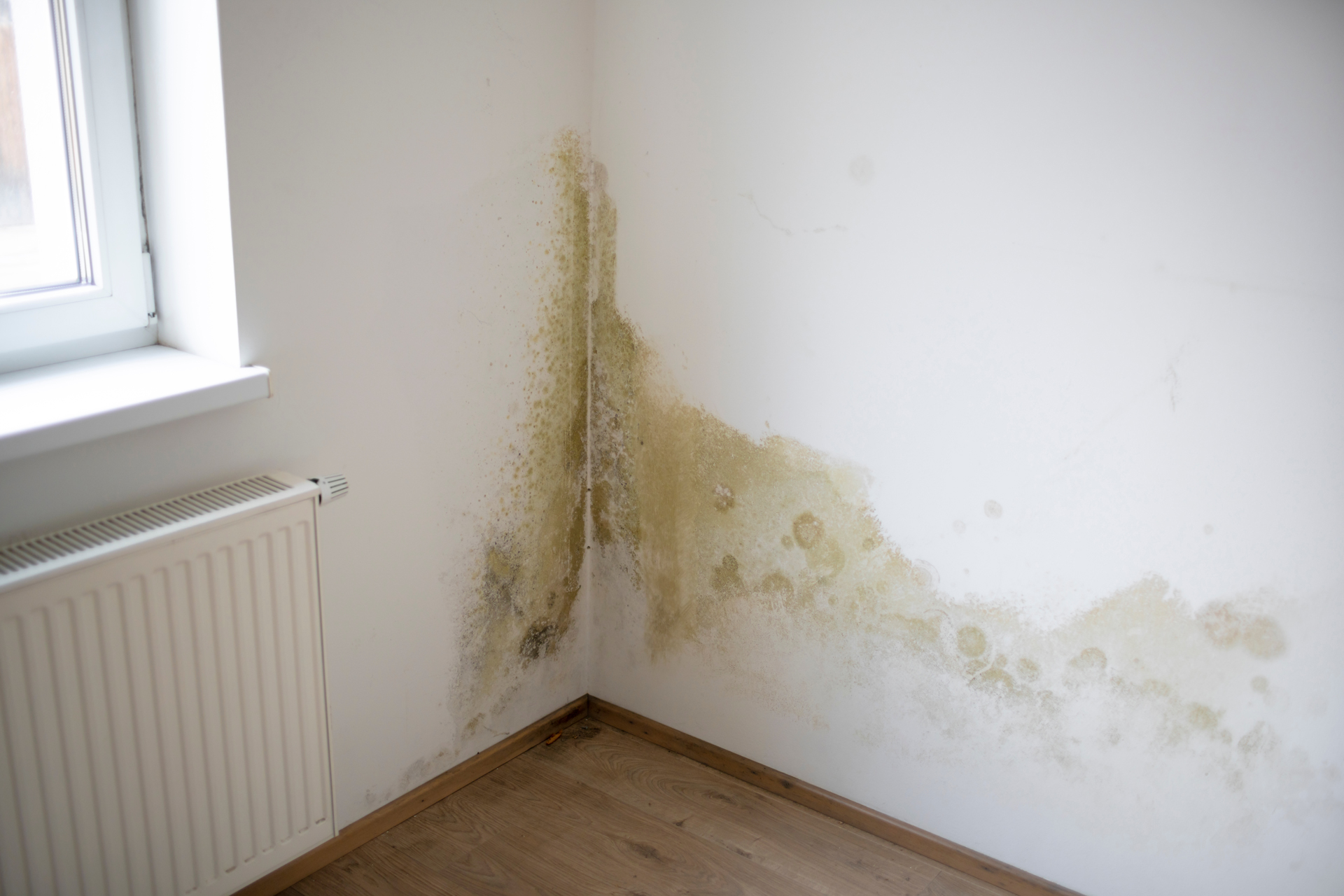


If you have already had damp treated, it can be extremely frustrating to see stains, mould, peeling paint or damaged plaster returning again.
When damp keeps coming back after treatment, it usually means the original source of moisture has not been fully dealt with, the wrong type of damp was treated or another issue has developed within the property.
In this guide, we explain why damp can return after treatment and what you should do if the same problem keeps coming back.
Quick Answer
Damp can come back after treatment if the original cause was not correctly diagnosed, external defects were not repaired, the wall was redecorated too soon, condensation is still a problem or moisture is entering the property from another source.
The key is to identify why the damp has returned rather than simply treating the visible patch again.
The Original Cause May Not Have Been Fixed
One of the most common reasons damp returns is that the visible symptoms were treated, but the source of the moisture was not resolved.
For example, a damp wall may be replastered, painted or sealed, but if rainwater is still entering through damaged brickwork, failed pointing or leaking gutters, the damp can eventually come back.
The same applies to condensation. Cleaning mould or repainting a wall may improve the appearance for a short time, but if the room still has poor ventilation and high moisture levels, the problem may return.
This is why a proper diagnosis is so important before any remedial work is carried out.
The Wrong Type Of Damp May Have Been Treated
Damp is not always caused by one simple issue.
A damp patch could be linked to condensation, penetrating damp, plumbing leaks, rising damp, high external ground levels or a combination of problems.
If the wrong cause is assumed, the wrong treatment may be recommended. For example, installing a damp proof course will not solve a problem caused by an overflowing gutter or poor ventilation.
If damp has returned after previous treatment, a professional damp survey can help reassess the property and identify what is really happening.
External Defects May Still Be Letting Water In
Many recurring damp problems are linked to defects outside the property.
Blocked gutters, leaking downpipes, cracked render, damaged pointing, faulty flashing and roof defects can all allow moisture to affect the building.
If these issues are not repaired, internal damp treatments may only provide a temporary improvement.
It is always important to consider the full building, not just the internal wall where the damp is visible.
The Wall May Have Been Redecorated Too Soon
After damp treatment, walls may need time to dry properly before decorating.
If paint, wallpaper or finishes are applied too soon, moisture can become trapped or the new finish may fail. This can lead to bubbling paint, staining, peeling wallpaper or salts appearing on the surface.
Drying times can vary depending on the property, the thickness of the walls, the type of treatment and how much moisture was present.
Before redecorating, it is important to follow professional advice and make sure the wall has had enough time to dry.
Salt Contamination Can Cause Staining
In some damp problems, salts can be drawn into the plaster or masonry.
Even after the moisture source has been dealt with, these salts can sometimes attract moisture from the air and cause staining or surface damage.
This is one reason why specialist replastering may be needed as part of a damp proofing treatment. Simply painting over salt-contaminated plaster may not provide a lasting result.
If staining keeps returning after damp treatment, it is worth checking whether the plaster itself has been affected.
Condensation May Still Be A Problem
Not all recurring damp is caused by a failed damp proofing treatment.
In many homes, condensation can continue to cause mould, black spotting and damp-looking patches, especially around windows, corners, wardrobes and cold external walls.
If ventilation, heating and moisture control have not been improved, condensation may return even after cleaning or decorating.
For ongoing mould and moisture issues, All Dry Damp Proofing can help with condensation control and advice tailored to your property.
High External Ground Levels Can Bridge Damp Protection
If outside ground levels are too high, moisture can bypass the damp proof course and affect the wall above it.
This can happen when patios, paths, driveways or flower beds have been built up against the property.
If this issue is not corrected, damp may continue to appear even after internal repairs have been completed.
Good drainage and correct ground levels are important parts of keeping moisture away from the building.
Could There Be A Leak?
Sometimes damp returns because there is a hidden leak rather than a damp proofing issue.
Small plumbing leaks, waste pipe problems, radiator leaks or water tracking from another part of the building can all create damp patches.
These problems can be difficult to identify because the damp may appear some distance away from the actual source of the leak.
If damp returns in the same area or appears suddenly, a leak should always be considered as part of the investigation.
What Should You Do If Damp Comes Back?
If damp keeps coming back, try not to keep painting over it or applying more surface treatments.
Instead, look for patterns. Does it get worse after rain? Does it appear in winter? Is it near a chimney breast, external wall, bathroom, kitchen or radiator pipe?
These details can help a surveyor understand what may be causing the issue.
A professional inspection can assess the internal symptoms, external condition of the building, ventilation, moisture readings and possible sources of water ingress.
Final Thoughts
Damp that keeps coming back after treatment should always be investigated properly. It may mean the original moisture source was not resolved, the wrong type of damp was treated or another issue is affecting the property.
External defects, condensation, salt contamination, leaks and high ground levels can all cause damp to return if they are not dealt with correctly.
If you are concerned about recurring damp, All Dry Damp Proofing can help. Our qualified surveyors provide clear damp diagnosis, professional treatment and practical advice across Barnsley, Sheffield, Rotherham, Doncaster and the wider Yorkshire area.
Contact All Dry Damp Proofing today to arrange expert advice.