




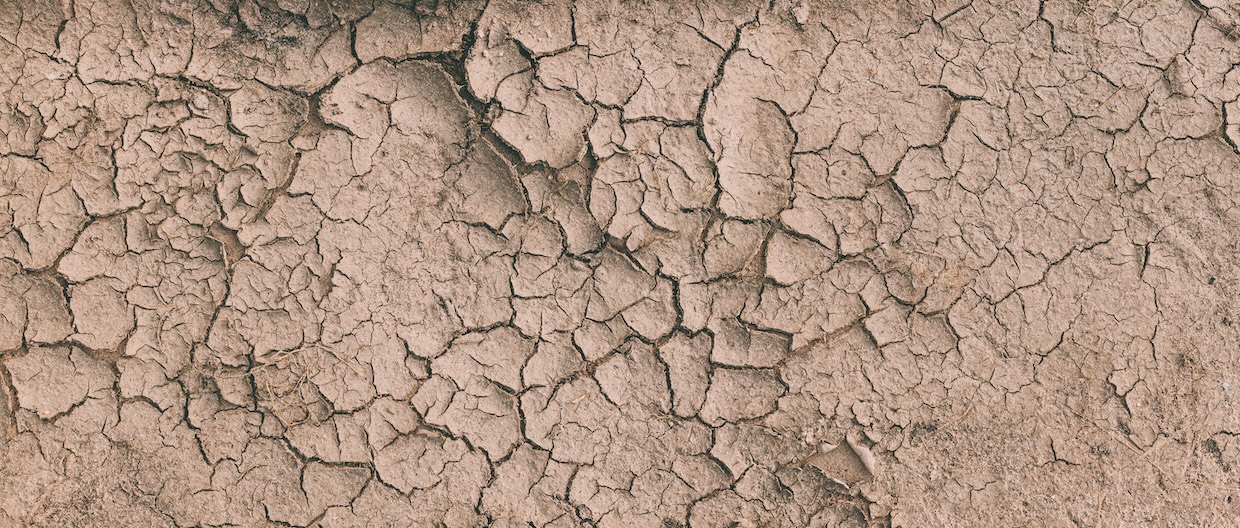


Flooding might seem unlikely after a long spell of hot, dry weather. Lawns are cracked, gardens are dusty and the ground appears ready to absorb any rain that falls.
However, prolonged dry weather can actually increase the risk of surface water flooding when heavy rain finally arrives. As autumn and winter progress, continued rainfall can then create a different risk as the ground becomes saturated and river levels begin to rise.
Why can dry ground increase the risk of flooding?
It is easy to assume that dry ground will absorb rainfall more effectively than wet ground. After an extended dry spell, however, soil can become hard, compacted and less able to absorb water quickly.
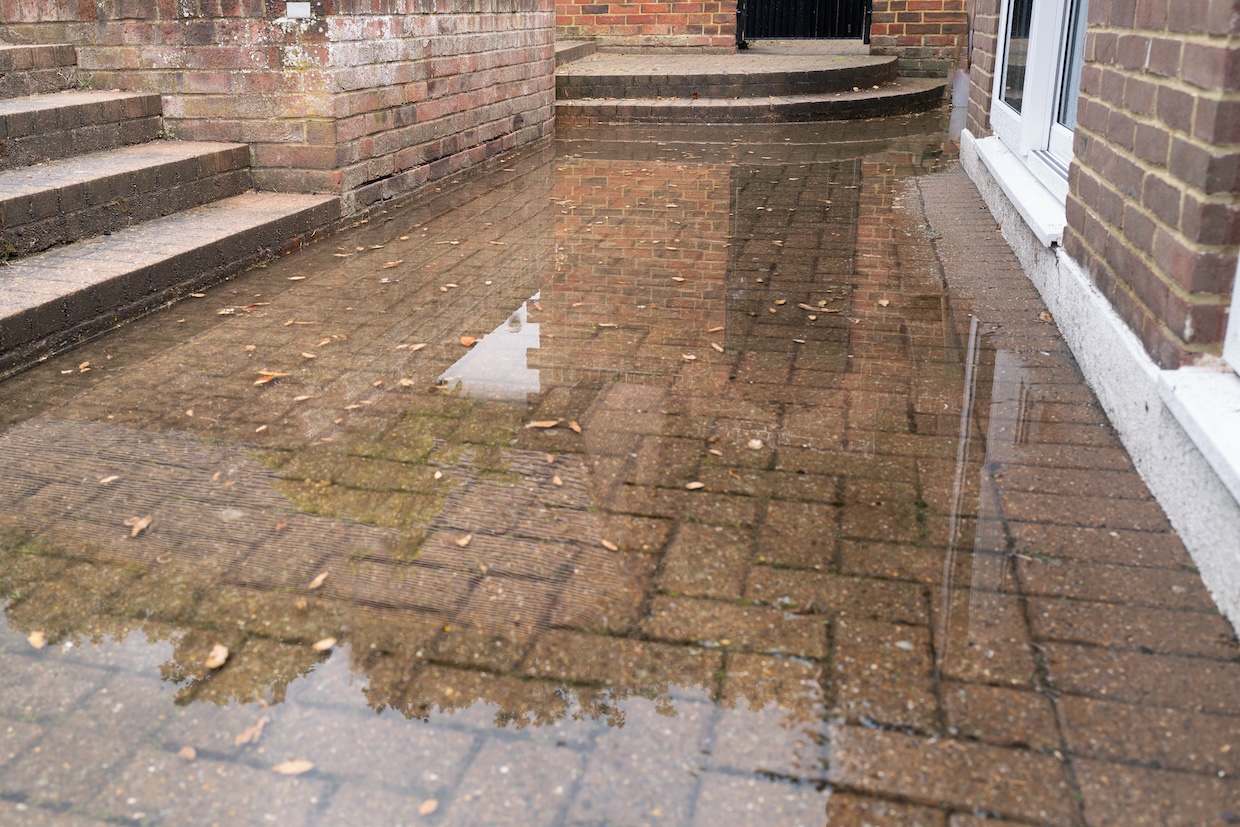
When intense rain falls onto baked ground, much of the water may flow across the surface instead of soaking into the soil. This rapid runoff can collect around roads, driveways, patios, gardens and buildings.
The first flood risk following a particularly dry summer is therefore often surface water flooding, rather than flooding from rivers.
This can be especially problematic in towns and cities, where drains may struggle to cope with a sudden volume of water. Even a relatively short downpour can cause localised flooding when the surrounding ground cannot absorb the rain quickly enough.
How climate change is affecting UK rainfall
The UK’s climate is changing. According to the Met Office UK Climate Projections, winters are expected to become wetter on average, while periods of heavy rainfall may become more intense.
A warmer atmosphere can also hold more moisture. This increases the potential for heavier rainfall when suitable weather systems develop.
Although individual seasons and years will continue to vary, the longer-term picture includes:
- Warmer and wetter winters on average
- Hotter and generally drier summers
- More intense heavy rainfall events
- An increased risk of flash flooding in some areas
This combination of prolonged dry spells followed by intense rainfall can create challenging conditions for properties and existing drainage systems.
Why surface water flooding is a growing concern
Surface water flooding, sometimes called pluvial or flash flooding, happens when rainfall cannot drain away or soak into the ground quickly enough.
It is particularly likely to occur:
- During the first significant storms following a prolonged dry period
- In built-up areas with extensive hard surfaces
- Where drains are blocked, undersized or poorly maintained
- During short periods of exceptionally heavy rainfall
- Where gardens have been replaced with paving, concrete or artificial grass
Many drainage systems were designed using historical rainfall patterns. They may struggle to manage the more intense downpours that are becoming increasingly common.
Properties do not have to be close to a river to experience flooding. Water running from roads, gardens, driveways and neighbouring land can affect homes that have never previously been considered at risk.
You can use the government’s long-term flood risk service to check the risk from surface water, rivers, reservoirs and groundwater in your area.
How urban development makes the problem worse
Increasing urban development has reduced the amount of land available to absorb rainfall. Roads, roofs, car parks, patios and paved driveways are impermeable, meaning water cannot pass through them naturally.
Instead, rain runs rapidly towards drains, lower ground and nearby properties. During intense rainfall, this can lead to flooding of:
- Homes and businesses
- Roads and pavements
- Cellars and basements
- Gardens and outbuildings
- Transport networks and local infrastructure
Extensions, raised patios and changes to external ground levels can also affect how water moves around an individual property. In some cases, these alterations direct rainwater towards the building rather than safely away from it.
How the flood risk changes later in the year
River flooding usually develops on a different timescale following a drought. Immediately after a long dry spell, river levels may be low and reservoirs, wetlands and floodplains may have additional capacity.
If rainfall continues through autumn and into winter, the moisture deficit within the soil is gradually reduced. Groundwater levels recover and river catchments become increasingly saturated.
Once the ground is saturated, further storms can cause river levels to rise much more quickly. The risk can therefore shift from localised surface water flooding after the first heavy rain to wider river flooding later in the season.
How heavy rainfall can affect your property
Compacted ground and hard surfaces around a property can direct water towards external walls and foundations. If drainage is inadequate or building defects are present, that water may eventually enter the structure.
Common causes of rain-related water ingress include:
- Blocked or overflowing gutters
- Damaged downpipes and drains
- Cracked render or defective pointing
- Raised external ground levels
- Poorly designed patios and driveways
- Damaged roof coverings or flashing
- Unprotected cellars and below-ground walls
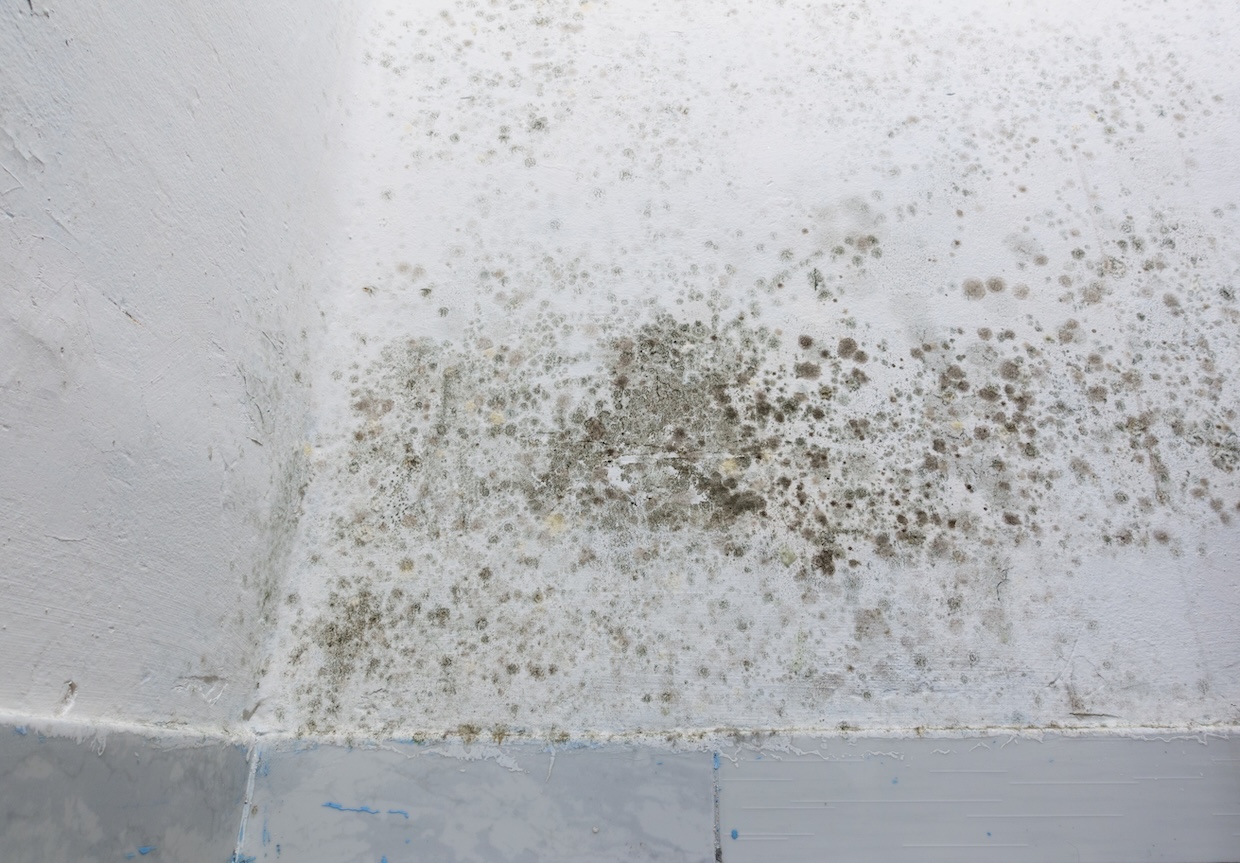
These problems can lead to penetrating damp and other moisture issues. Floodwater may also introduce salts into plaster and masonry, causing damp patches and decoration damage to continue long after the visible water has gone.
Signs of a potential problem include:
- Damp or discoloured patches following heavy rain
- Peeling paint or wallpaper
- Wet or crumbling plaster
- Musty smells
- Salt deposits on walls
- Water collecting beside the property
- Dampness in cellars or ground-floor rooms
Not every damp patch has the same cause. A professional damp survey can identify whether moisture is entering through an external defect, rising from the ground, caused by condensation or connected to another issue.
How to prepare your home for heavy rainfall
A few preventative checks can help reduce the risk of water entering your property:
- Check and clear gutters, downpipes and drains
- Make sure rainwater flows away from external walls
- Look for damaged pointing, render and roof coverings
- Check whether patios or driveways slope towards the property
- Avoid raising garden levels above the damp proof course
- Inspect cellars and basements after periods of heavy rain
- Keep important documents and valuables away from vulnerable areas
- Review your home insurance cover and policy conditions
If you live in an area that could be affected, you can also sign up for official flood warnings and prepare a household flood plan.
Have you noticed damp after heavy rain?
Damp patches that appear during or after heavy rainfall should not be ignored. The visible mark may be caused by a leaking gutter, damaged masonry, high external ground levels or water collecting around the property.
Finding the source early can help prevent further damage to plaster, timber and internal decorations.
All Dry Damp Proofing provides professional damp surveys and treatments throughout Barnsley, Doncaster, Rotherham, Sheffield, Wakefield and the wider Yorkshire area.
If you are concerned about water ingress or have noticed damp patches following heavy rain, contact All Dry Damp Proofing to arrange an inspection.
Call 07973 748566 or contact us online for expert advice.