




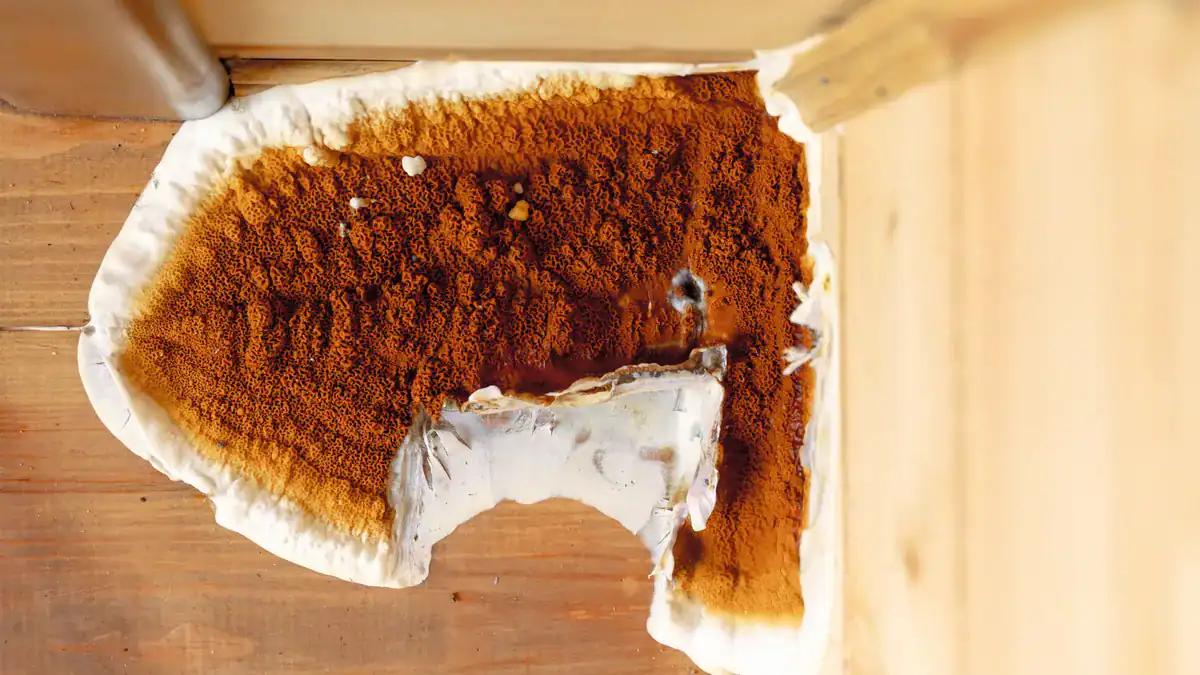


Wet rot and dry rot are both forms of fungal timber decay. They develop when wood remains damp, and both can cause serious damage if the moisture problem is left unresolved.
Although the names are sometimes used interchangeably, wet rot and dry rot do not behave in the same way. Identifying which type is present is important because the extent of the investigation and the treatment required may be different.
Quick Answer
Wet rot normally remains close to a persistent source of moisture, while dry rot can spread through damp, concealed areas to reach other timber. Both can weaken wood and cause serious property damage. A professional inspection is recommended to identify the type of rot, find the moisture source and determine the correct treatment.
Why does timber rot develop?
Timber decay needs moisture. Despite its name, dry rot does not begin in completely dry wood. Both wet rot and dry rot require damp conditions before fungal growth can become established.
Common causes include leaking roofs, damaged gutters, plumbing leaks, penetrating damp, blocked air bricks and poor ventilation around concealed timber. Joist ends built into damp walls are particularly vulnerable because the surrounding masonry can keep the timber wet for a prolonged period.
The visible fungal growth is therefore only part of the problem. Unless the source of moisture is found and corrected, replacing or treating the affected timber may not provide a lasting solution.
What is wet rot?
Wet rot is a general name used for several fungi that affect timber exposed to high levels of moisture. It is commonly found around persistent leaks or where wood is in contact with damp walls and floors.
Unlike dry rot, wet rot usually remains concentrated around the source of moisture. However, it can still cause timber to lose a considerable amount of strength.
Possible signs of wet rot include:
- Soft or spongy timber.
- Darkened, bleached or discoloured wood.
- Cracking or distortion.
- Localised fungal growth.
- Flaking paint around wooden frames or skirting boards.
- Floorboards that feel weak or move underfoot.
The exact appearance can vary because several different fungi are commonly grouped together under the term wet rot.
What is dry rot?
Dry rot is caused by the fungus Serpula lacrymans. It is regarded as a particularly serious form of timber decay because it can travel through damp, concealed areas and across masonry to reach additional timber.
The fungus does not consume the masonry itself. Instead, fungal strands can use damp surfaces and hidden building voids to move away from the original outbreak.
Signs that may indicate dry rot include:
- Deep, cube-shaped cracking in the timber.
- Wood that has become brittle or crumbly.
- Fine grey strands resembling cobwebs.
- White or grey cotton wool-like growth.
- Orange or rust-coloured spore dust.
- Red or orange fruiting bodies with paler edges.
- A strong mushroom-like smell.
Some of these signs are distinctive, but an outbreak may be hidden beneath floors, behind plaster or within a roof space. The visible area does not always show how far it has spread.
What is the difference between wet rot and dry rot?
The main difference is how the two forms of decay behave within the building.
Wet rot tends to remain close to timber that is persistently wet. When the water source is removed and the area dries properly, the conditions supporting further growth are removed.
Dry rot may spread further through damp masonry and concealed spaces to reach other suitable timber. This means a wider investigation may be needed to establish the full extent of an outbreak.
Wet rot should not be dismissed as the less important problem. Either type can significantly weaken floorboards, joists, roof timbers, window frames and other structural or supporting woodwork.
Can you identify the type of rot yourself?
Photographs and visible symptoms may provide clues, but correctly identifying timber decay is not always straightforward. Different fungi can look similar, and an outbreak may change in appearance as it develops.
It is also important to establish what is happening behind the visible surface. A small area of damaged skirting could be connected to damp masonry, a leaking pipe or more extensive decay beneath the floor.
A professional survey considers the fungus, the condition of the timber, the moisture source and the parts of the building that may also be at risk.
All Dry’s wet and dry rot specialists inspect the affected area and identify the moisture problem before recommending remedial work.
How are wet rot and dry rot treated?
The correct treatment depends on the type of decay, its extent and whether the timber has lost its structural strength.
The first step is to resolve the source of moisture. This could involve repairing a leak, improving subfloor ventilation, clearing blocked air bricks or addressing penetrating damp.
Timber that is badly decayed may need to be removed and replaced. Other areas may be retained and treated if they remain structurally sound. Surrounding plaster or finishes may also need to be removed where they prevent a complete inspection or conceal fungal growth.
Treatment should be targeted to the actual outbreak. Applying a surface chemical without investigating the moisture source will not repair weakened timber or stop water from entering the building.
What should you do if you find signs of timber decay?
Do not cover the area with new plaster, flooring or decoration. Concealing the visible damage can allow the moisture problem and timber decay to continue unnoticed.
Avoid disturbing large areas of affected timber until its condition has been assessed, particularly if floorboards, joists or roof timbers may have lost strength.
A professional damp and timber survey can establish:
- Whether wet rot or dry rot is present.
- How far the decay has spread.
- What is causing the timber to remain damp.
- Whether any timber needs repairing or replacing.
- What work is required to prevent the problem returning.
Wet and dry rot treatment across Yorkshire
All Dry Damp Proofing provides professional timber inspections and wet and dry rot treatments throughout Yorkshire, including Barnsley, Sheffield, Rotherham, Doncaster and Huddersfield.
Our CSRT and CSSW-qualified specialists identify the type and extent of the decay before recommending any treatment. We focus on resolving the moisture problem behind the outbreak and carrying out only the work your property requires.
If you have discovered fungal growth, crumbling timber or unexplained damage, contact All Dry Damp Proofing or call 01226 287181 to arrange a professional assessment.